


Featured Free Seminars
 ADA Myth-conceptions
Two ethics experts discuss the latest guidance on using AI-enabled tools in your law practice and emerging tools. Ethics discussed include competence and confidentiality plus billing—or not billing—for AI-enabled tools.
 The Ethical Lawyers Guide to Artificial Intelligence Tools
Artificial intelligence is now embedded in legal research platforms, drafting tools, e-discovery, and client communication portals. This seminar provides guidance for the ethical duties triggered by AI use as well as practical tips and examples in practice.
 Wellness IS Ethics: Substance Use, Mental Health, and Liability in the Legal Profession
This seminar addresses the prevalence and impact of substance use disorders and mental health issues among legal professionals, highlighting the ethical and liability implications for lawyers and law firms.
Featured Publication
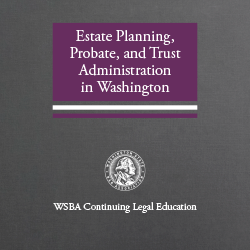
Estate Planning, Probate, and Trust Administration in Washington (2020)
This two-volume set replaces the Washington Estate Planning Deskbook and the Washington Probate Deskbook. Because most practitioners practice in both areas, and relevant topics rarely fit neatly into one or the other, we have created a comprehensive
resource that provides the authorities and the tools — including over 47 digital and customizable forms — Washington practitioners need to solve real problems in their practices.
Sponsorship Opportunities
 WSBA CLE, in partnership with the WSBA Sections, hosts a number of conferences throughout the state
annually. Learn about our sponsorship opportunities.
WSBA CLE, in partnership with the WSBA Sections, hosts a number of conferences throughout the state
annually. Learn about our sponsorship opportunities.
Please note: WSBA CLEs are produced by the Washington State Bar Association for the use of WSBA members. Neither the WSBA nor the contributors make express or implied warranties with respect to the use of the information presented. The views, opinions, and conclusions expressed herein are those of the authors and editors and are not necessarily those of the Washington State Bar Association or any division or committee thereof or individual members of the Washington Bar.